

What Matters Most for Child Custody in BC?
When parents separate in British Columbia, one of the most pressing questions is: “What happens with the children?” Child custody and access can be emotionally charged topics that often stir anxiety and uncertainty. Parents want to ensure their children are safe, cared for, and supported, while also protecting their own rights as guardians.
In BC, custody and access decisions are always guided by the best interests of the child. That means courts, mediators, and lawyers focus on what arrangement will help the child thrive—not just what each parent prefers.
This guide will help you understand how child custody and access in BC are determined, what factors matter most, and how you can prepare for this important process. You can also hire help from the best legal advisors in BC to get professional counseling and help.
Understanding Child Custody and Access in British Columbia
In the past, people often used the terms custody and access. However, under the BC Family Law Act, these are now called:
- Parental responsibilities: decision-making authority for things like education, healthcare, and religion.
- Parenting time: when the child spends time with each parent, whether part-time, shared, or full-time.
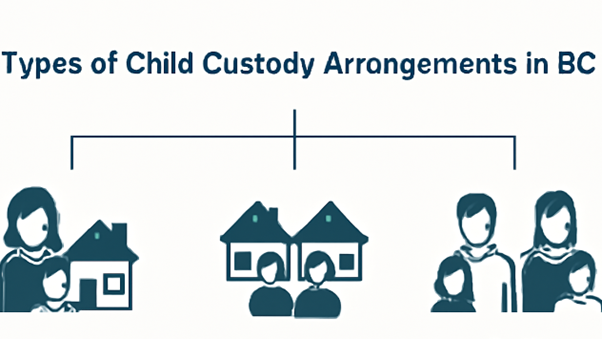
In simpler terms, custody isn’t just about where the child lives—it’s about who makes decisions for them and how their time is divided. A custody arrangement can be:
- Sole custody (one parent has primary decision-making authority).
- Joint/shared custody (parents share decision-making and time).
- Split custody (different children live primarily with different parents).
Having a clear custody and access plan reduces conflict and provides children with a sense of stability.
The Best Interests of the Child Standard in BC

The guiding principle in all custody decisions is the “best interests of the child.” This standard is written into the BC Family Law Act and ensures that every decision prioritizes children’s wellbeing over parental disputes.
So, what exactly goes into the “best interests” test?
Key Factors Courts Consider
- Stability and Routine
Children benefit from consistent housing, schooling, and daily life. Courts look at which arrangement offers the least disruption to their stability. - Parental Responsibilities
Judges consider each parent’s ability to meet the child’s emotional, educational, and physical needs. - Child’s Preferences
Depending on their age and maturity, a child’s wishes may influence custody decisions. A 14-year-old’s voice carries more weight than a 6-year-old’s. - Safety and Well-Being
Protecting children from family violence, neglect, or harmful environments is always a top priority.
Parental Cooperation
Courts prefer when parents can cooperate and communicate. If one parent constantly undermines the other, that can work against them.

In short, the law asks: “Which arrangement helps this child grow up safe, stable, and supported?”
Mediation vs. Court: Resolving Custody Disputes in BC
Many families worry they’ll have to battle custody out in court. But in reality, most cases are resolved through mediation or negotiation.
Benefits of Mediation
- Less stressful for children.
- Faster and more affordable than court.
- Encourages cooperation and reduces long-term conflict.
- Gives parents more control over the outcome.
When Court Is Necessary
Court becomes necessary if:
- Mediation fails.
- There are concerns about safety or abuse.
- One parent refuses to cooperate.
In court, a judge will make the final decision based on the best interests of the child. While this ensures fairness, it can also feel less personal and more adversarial.
Practical Tips for Parents Navigating Custody in BC
Custody decisions can feel overwhelming, but preparation helps. Here are practical steps to strengthen your position and reduce conflict:
- Prepare Documentation
Keep records of your income, schedules, and your child’s schooling or medical needs. This shows your ability to provide stability. - Work with a Mediator or Counselor
Demonstrating a willingness to cooperate often reflects positively on parents. - Create a Parenting Plan
Outline schedules, holidays, decision-making responsibilities, and communication rules. Parenting plans can prevent misunderstandings later. - Prioritize Your Child’s Perspective: Ask yourself: “How does this decision affect my child’s happiness and well-being?”
Common Mistakes Parents Should Avoid
Custody disputes are emotionally charged, but avoiding common pitfalls can save stress:
- Putting conflict before children’s needs: Courts notice when parents prioritize revenge over the child’s welfare.
- Denying access without legal grounds: Unless safety is at risk, blocking the other parent’s access can backfire.
- Poor communication: Hostile or inconsistent communication can harm your credibility.
- Skipping legal advice: Without proper guidance, parents risk signing unfair or unenforceable agreements.
Why Professional Legal Guidance Matters
Every family is different, and custody disputes can have life-long consequences. A BC family lawyer ensures your rights are protected and your child’s best interests are prioritized. Ask the right questions to ensure that you have the lawyer in your best interest.
Professional guidance helps with:
- Drafting enforceable parenting agreements.
- Representing your case effectively in court.
- Avoiding costly mistakes that could affect custody outcomes.
- Offering mediation support to reduce conflict.
At ULEGAL Services, we understand how deeply custody decisions affect families. Our compassionate team helps parents find solutions that protect both their rights and their children’s wellbeing.
Final Thoughts

Navigating child custody and access in BC isn’t easy—but it doesn’t have to be overwhelming. By understanding the best interests of the child standard, preparing carefully, and seeking legal guidance, parents can move forward with confidence.
If you’re facing custody questions or disputes, don’t go through it alone. Contact ULEGAL Services today to learn how we can help you create fair, child-focused arrangements that work for your family.
Frequently Asked Questions
How is child custody decided in BC?
In BC, child custody is based on the best interests of the child. Courts consider stability, safety, parental cooperation, and the child’s needs.
What is the difference between custody and parenting time in BC?
Custody relates to parental responsibilities and decision-making, while parenting time is about when the child spends time with each parent.
Can a child choose which parent to live with in BC?
A child’s views may be considered depending on their age and maturity, but the final decision is always based on their best interests.
Do custody cases in BC always go to court?
No, many custody arrangements are resolved through mediation or agreements. Court is only needed if parents cannot reach a fair resolution.
What factors matter most in child custody in BC?
Courts focus on the child’s stability, emotional and physical safety, parental responsibilities, and each parent’s ability to cooperate.
Can custody orders in BC be changed later?
Yes, custody and parenting arrangements can be modified if circumstances change significantly, such as relocation or safety concerns.
Do I need a lawyer for child custody in BC?
While not legally required, a family lawyer helps ensure your rights are protected, agreements are enforceable, and your child’s wellbeing is prioritized.