

How Are Finances Split in a Divorce in British Columbia?
In British Columbia (BC), understanding how finances are split in a divorce is crucial for both parties. Divorce Lawyers in BC are well-versed and involved in dividing assets and debts accumulated during the marriage, which directly impacts both spouses’ financial futures. This article explains how finances are divided, the challenges you might face, and offers expert advice to ensure a fair settlement.
1. What Are Family Property and Excluded Property in BC?
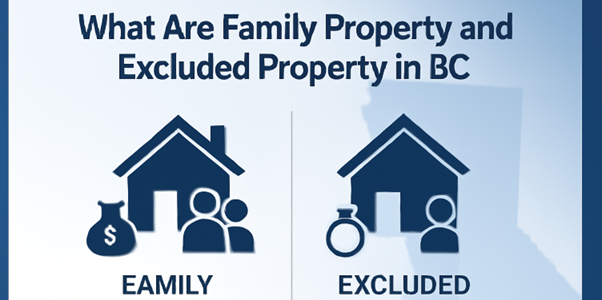
In BC, family property and excluded property are the two main categories used to divide assets. Knowing the difference can help you understand what you’re entitled to.
Family Property: What Does It Include?
Family property is anything acquired during the marriage, including:
- Real Estate: Homes, vacation properties, etc.
- Bank Accounts: Joint or individual savings accounts.
- Investments and Business Interests: Stocks, bonds, or business stakes acquired during the marriage.
Excluded Property: What Is Exempt?
Excluded property is typically:
- Property Owned Before Marriage: Assets one spouse had before the marriage.
- Gifts or Inheritances: Property received as a gift or inheritance.
Understanding these terms can help you identify what can and can’t be divided during a divorce.
Expert Tip: If you inherited property during the marriage, be sure to keep it separate from joint assets to protect it as excluded property. You can also compile separation agreements for further protection.
2. How Does BC’s Family Law Act Affect Property Division?
BC’s Family Law Act (FLA) mandates equal division of family property, but there are exceptions. Here’s how the law influences property division:
- Equal Division by Default: Family property is generally divided 50/50.
- Exceptions to Equal Division: Excluded property, and in some cases, economic hardship or contributions, may affect the split.
What Factors Could Affect the Split?
- Economic Circumstances: A spouse with a lower income might receive more family property.
- Duration of Marriage: Longer marriages may lead to more equitable property distribution.
- Special Contributions: Non-financial contributions, such as staying at home to care for children, are recognized.
Example: In a 20-year marriage, the court might award a larger share of family property to a spouse who stayed home to care for the children, even if they were not the primary earner. How to file for legal separation; is another essential factor to consider while assessing further proceeds in a divorce.
3. What Are the Common Issues When Dividing Family Property?
When dividing family property in a BC divorce, you may face several challenges. These issues can delay the process or create conflict.
Common Issues Include:
- Valuing Assets: Determining the true value of property, businesses, or investments can be complex.
- Hidden Assets: One spouse may attempt to hide assets to reduce the division.
- Unclear Ownership: Assets may be in one spouse’s name, but both contributed to acquiring or maintaining them.
Expert Tip: Hiring a forensic accountant can help uncover hidden assets and ensure an accurate property valuation.
4. How Are Debts Handled in a Divorce in BC?
Debts, like assets, are divided in a BC divorce. It’s crucial to understand how both family debts and individual debts are treated.
Shared Debts: How Are They Divided?
- Mortgages: Typically, both spouses are responsible for the mortgage, even if only one name is on the loan.
- Credit Cards and Loans: Joint credit card debts or loans are usually divided evenly, while individual debts may remain with the person who incurred them.
Individual Debts: Who Is Responsible?
If a spouse incurred debt for personal use, such as personal loans or credit cards, they may be solely responsible for those debts.
Example: If one spouse took out a loan for a personal car purchase, they may be solely responsible for paying it back.
5. How Are Retirement Accounts Divided in BC Divorce?
Dividing retirement assets is one of the most complex parts of a divorce. In BC, pensions, RRSPs, and other retirement funds are considered family property.
What Happens to Pension Plans and RRSPs?
- Pension Plans: If one spouse has a pension from work, it may be divided between both spouses using a pension division order.
- RRSPs: RRSPs accumulated during the marriage are generally divided equally.
Can Retirement Accounts Be Divided Without a Court Order?
No. You must obtain a court order or a pension division agreement to transfer the retirement funds.
Expert Tip: Be sure to account for pension benefits and RRSPs in your divorce settlement to avoid surprises later.
6. What Problems Can Arise During Divorce Negotiations?
While many couples can reach a fair settlement through mediation or negotiation, problems often arise. Some of the challenges you may face include:
- Emotional Tension: The stress of divorce can lead to difficulty agreeing on asset division.
- Complex Asset Structures: If you own a business or have joint investments, these assets can be difficult to value and divide.
- Imbalance in Negotiating Power: One spouse may have more legal or financial issues and expertise, creating an unfair advantage.
How Can You Overcome These Problems?
- Mediation: Engage a neutral third-party mediator to facilitate discussions.
- Professional Advice: Seek help from legal and financial professionals to ensure fair treatment.
Example: If one spouse has experience managing a family business, the other may need expert advice to ensure a fair division of the business assets.
7. How Can You Ensure a Fair Financial Settlement?
To ensure a fair division of finances, follow these steps:
- Create a Full Inventory of Assets and Debts: List all assets and debts, both family and individual.
- Seek Professional Help: Hire a financial expert or forensic accountant to ensure the fair valuation of assets and debts.
- Consider Mediation: Mediation can help resolve disputes amicably and without the need for expensive court battles.
Expert Tip: A divorce lawyer can help you understand your rights and avoid common pitfalls in asset division.
Conclusion
How to Protect Your Financial Future After Divorce? In British Columbia, the equal division of family property is the default, but understanding how property, debts, and retirement accounts are handled is essential for both parties. Challenges may arise during negotiations, but with the right knowledge and professional help, a fair division is possible.
To protect your financial future, take the time to understand the legal process, get professional advice, and ensure all assets and debts are properly disclosed and valued.
Frequently Asked Questions FAQs:
What is the difference between family property and excluded property in a BC divorce?
In BC, family property is anything acquired during the marriage, while excluded property includes assets owned before the marriage.
How is family property divided in BC divorce?
Under BC’s Family Law Act, family property is typically divided equally, but there are exceptions based on contributions, length of the marriage, and other factors.
Can debts be divided during a BC divorce?
Yes, debts incurred during the marriage, such as mortgages and credit card debt, are typically divided.
How does BC law handle the division of retirement accounts?
Pensions, RRSPs, and other retirement accounts accumulated during the marriage are treated as family property and are subject to equal division.
What challenges can arise during the division of assets in a BC divorce?
Challenges include hidden assets, disagreements over the valuation of complex assets like businesses, and imbalances in negotiating power between spouses.
How can mediation help in dividing finances during a divorce?
Mediation offers a neutral environment for spouses to work out a fair financial settlement with the help of a mediator, reducing the need for costly and emotional court proceedings.
How can I protect my financial future after a divorce in BC?
Protect your financial future by ensuring all assets and debts are disclosed, seeking professional advice, and negotiating a fair settlement.